Before you apply, get a free expert review of your resume within 48 hours. See exactly what is holding it back, with an ATS check and real rewrite examples. No credit card, no obligation.
Get my free resume reviewKey takeaways
- A forklift operator (also called a lift-truck operator or material handler) moves, stacks, and loads pallets and freight safely and fast. The role is judged on productivity, accuracy, and above all a clean safety record.
- The operators who get hired and paid best show measurable impact: pallets or loads moved per shift, picking accuracy, on-time loading, and zero accidents.
- Most applications are read by software first, so mirror the exact words in the job posting (OSHA certified, sit-down, reach truck, RF scanner, pallet jack) and keep the layout simple.
- Run your resume through our free ATS resume checker before you apply.
A clear forklift operator job description is the backbone of a well-run warehouse or distribution center, and understanding it is just as important for anyone turning warehouse shifts into a resume that gets interviews. Forklift operators, sometimes listed as lift-truck operators or industrial-truck operators, move product safely and efficiently: unloading trucks, putting away and picking pallets, staging freight, and loading outbound shipments. It is skilled, safety-critical, deadline-driven work that keeps the whole supply chain moving. Below we break down exactly what a forklift operator does, the duties employers list, the skills and certifications that matter most, what the role pays according to federal data, and how to present it on a resume that beats the applicant tracking system (ATS).
What does a forklift operator do?
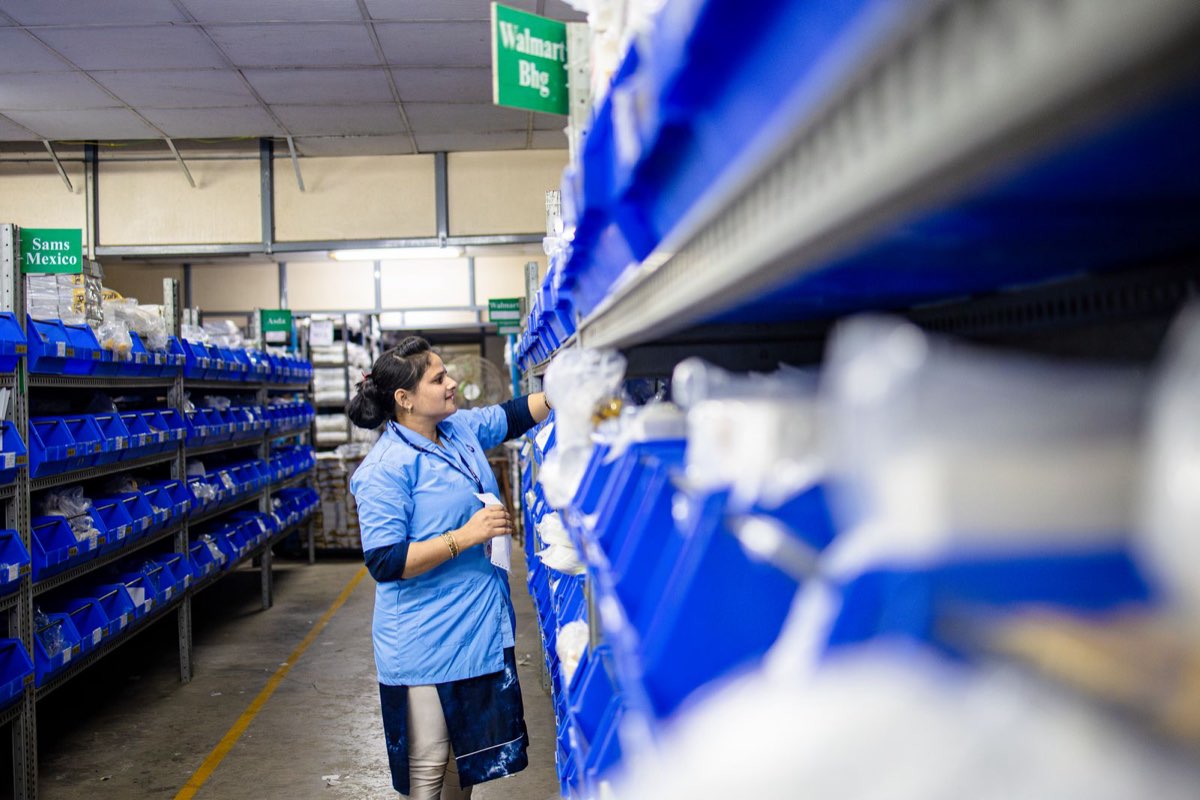
A forklift operator is the muscle and precision of the warehouse. On a typical shift they inspect the lift truck, unload inbound trailers, put pallets away in racking, pick orders, replenish pick faces, and stage and load outbound freight, all while scanning items to keep the inventory system accurate. They operate different equipment for different jobs, such as a sit-down counterbalance truck, a reach truck for high racking, an order picker, or an electric pallet jack, and they follow strict traffic and safety rules around people and product. A pre-shift equipment inspection and safe operation are part of every shift, not an afterthought.
That framing matters for your resume. Employers are not just looking for someone who can drive a forklift. They want someone who moves product quickly and accurately while keeping people and inventory safe, because a fast operator with a clean safety record protects both output and the bottom line. When you describe your work in terms of productivity, accuracy, and safety rather than a list of tasks, you separate yourself from applicants who just wrote “drove a forklift.”
Forklift operator duties and responsibilities
| Duty | Why it matters to employers |
|---|---|
| Operating lift trucks to move and stack pallets | Keeps freight and orders flowing on schedule |
| Loading and unloading trucks and trailers | Drives on-time shipping and receiving |
| Picking, putting away, and replenishing stock | Keeps inventory accurate and pick faces full |
| Scanning with an RF gun and updating inventory | Prevents costly stock errors and shrink |
| Inspecting equipment and following safety rules | Prevents injuries, damage, and OSHA violations |
| Staging freight and meeting shipping deadlines | Keeps the dock and the supply chain on time |
Skills and certification employers look for
Forklift work is judged on productivity, accuracy, and safety. The single most important item is a current forklift certification (OSHA-compliant), so list it near the top. Hard skills include operating specific equipment (sit-down counterbalance, reach truck, order picker, electric pallet jack), RF scanning, and basic warehouse-management-system use. The soft skills matter too: spatial awareness, focus, dependability, and disciplined safety habits. A clean safety and attendance record is a powerful differentiator.
A fast operator with zero accidents is exactly who every warehouse manager wants, so make your certification and safety record impossible to miss.
How much do forklift operators earn?
According to the U.S. Bureau of Labor Statistics, industrial truck and tractor operators earn a median wage of roughly 20 dollars an hour, or about 42,000 dollars a year, with more for experienced operators, night shifts, and specialised equipment. Pay rises with certification, a clean safety record, and cross-training on multiple lift types, and the role is a common stepping stone to lead, inventory-control, and warehouse-supervisor positions.
How to put forklift experience on your resume (5 steps)
Mirror the job posting’s keywords
Pull the exact terms from the listing, such as “OSHA certified,” “reach truck,” “sit-down,” “RF scanner,” and “pallet jack,” and use them where they truthfully apply. This is what the ATS scores.
Do: “Operated sit-down and reach trucks to move 200-plus pallets a shift with an RF scanner” · Not: “Drove a forklift”
Put certification and safety up top
Your forklift certification and safety record are the first things a hiring manager checks, so make them prominent and specific.
Do: “OSHA-certified forklift operator with 4 years and a zero-accident safety record”
Quantify productivity and accuracy
Numbers turn a task list into proof. Pallets or loads moved per shift, picking accuracy, and trucks loaded all count.
Do: “Maintained 99.8% picking accuracy while loading 15-plus trailers per shift”
Lead every bullet with a strong action verb
Start with words like operated, loaded, picked, and staged, not “responsible for.” Action verbs read as ownership.
Do: “Staged and loaded outbound freight to hit every scheduled dispatch window”
Show equipment range and reliability
List the lift types you can run and note perfect attendance. Range and dependability make you cheaper to schedule and train.
Do: “Certified on sit-down, reach, and order picker; perfect attendance over 2 years”
Will your resume pass the ATS?
Paste your resume and a job description into our free checker for an instant ATS score, the keywords you are missing, and prioritised fixes, all in your browser with nothing uploaded.
Frequently asked questions
Do you need certification to be a forklift operator?
Yes. Employers require a current forklift certification that meets OSHA standards, and many will train and certify reliable hires. Lead your resume with the certification, safety, and any warehouse experience. For a related role, see our warehouse associate job description.
What makes a forklift operator resume stand out?
Certification and a clean safety record up top, quantified productivity and accuracy, the specific lift types you can operate, and a simple, ATS-friendly layout that mirrors the job posting.
Is forklift operating a good career?
Yes. It pays well for an entry-to-mid role, is in steady demand across warehousing and manufacturing, and leads to lead, inventory-control, and warehouse-supervisor positions.
 By uploading my resume, I agree to the